Aprotect business premises against burglaryworks best with multiple layers. A camera, lock or alarm system alone is rarely sufficient as an isolated measure. Combining physical security, detection, camera surveillance and clear procedures creates a more robust approach.
Step 1: Walk around the property
Start outside. Check doors, windows, charging points, emergency exits and other access points. Also look at dark corners, poorly visible sides of the building and places where goods are loaded. The goal is not to make weaknesses public, but to determine internally which areas need extra attention.
Step 2: Enhance physical security
Electronic security is a supplement to solid hinges and locks. Make sure doors and windows are in good condition and that employees know who is responsible for locking. A clear closing loop prevents technical security from being undermined by an open door.
Step 3: place an alarm system on logical zones
An alarm system can detect opening and movement. Divide the business premises into practical zones, such as entrance, office, warehouse and technical room. This allows the system to be clearly managed and adapted to working hours.
Step 4: Use CCTV for context
Cameras can monitor relevant accesses and areas of the site. Choose the viewing angle based on the purpose: overview, recognition at an entrance or monitoring a specific zone. Take lighting and privacy into account.
Step 5: avoid dependency on one connection
A modern alarm system can support multiple communication options. This is important when the internet is temporarily out of service. Check which backup options are available at the exchange and test messages periodically.
Step 6: arrange who receives alarm notifications
Create a simple follow-up procedure in advance. Who will receive a notification first? Who controls the situation? Who has access to the building outside working hours? Clear agreements prevent delays and misunderstandings.
Step 7: Manage keys, tags and accounts
Security is also access control. Revoke digital access when employees leave and keep track of who has keys, tags or administrative rights. Use individual accounts whenever possible.
Step 8: Check the system regularly
A security installation is not a one-time purchase. Business premises change: walls are installed, doors are added and networks are adjusted. Therefore, check periodically whether detectors, cameras and notifications still suit the current situation.
What role do Ajax and Hikvision play
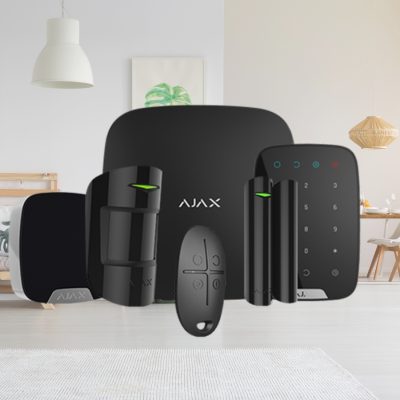
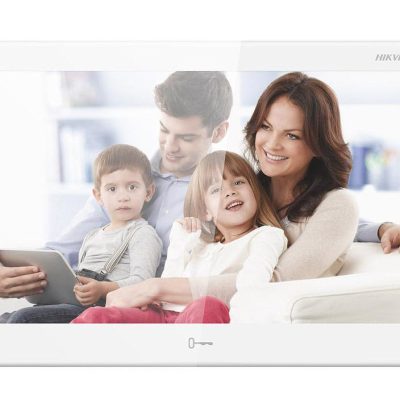
Ajax Systems offers modular alarm systems with hubs and detectors. Hikvision has a wide range of IP cameras and recorders. Centraal Alarm focuses on these types of security solutions for both home and business locations.
View the current range viawww.centraalalarm.nl/. For camera selection you can also start with theadvice wizard.
Frequently asked questions
What is the first step in securing a commercial property
Map accesses, high-value zones and daily user flows. You can then choose physical and electronic security in a targeted manner.
Is only camera surveillance sufficient
Usually not. Cameras are especially strong as part of a combination with physical security, detection and good procedures.
How often should a security plan be reviewed
In any case, check the plan if the building, furnishings, stock, access situation or staff organization change significantly.